Dubai has solidified its reputation as a global hub for business excellence, offering a sophisticated infrastructure that caters to international summits and high-stakes seminars. Choosing the right venue is more than a logistical decision; it is a strategic move that defines the tone of your event. From the high-tech, immersive environments of creative campuses to the grand ballrooms of luxury hotels, the city provides a diverse array of spaces equipped with cutting-edge audiovisual technology, seamless connectivity, and world-class hospitality to ensure every keynote and networking session leaves a lasting impression on your professional audience.
Some of the Best Conference Halls in Dubai for Seminars & Summits
Summit Hall – BE VIP Arena A spacious and versatile venue, Summit Hall is ideal for large-scale seminars, conferences, and summits. With a capacity of around 1000 attendees and a well-designed layout, it supports everything from corporate gatherings to exhibitions. The hall combines modern infrastructure with a professional atmosphere, making it suitable for impactful business events where scale and experience both matter.
Donya Hall – BE VIP Arena Donya Hall offers a more focused and intimate setup, perfect for training sessions, workshops, and mid-sized seminars. With a capacity of around 150 attendees, it is designed for engagement-driven events like talks, debates, and meetings. Its modern interiors and flexible layout make it a practical choice for organisers looking for a balance between comfort and functionality.
Zenith Hall – Be VIP Arena. Zenith Hall is built for large, high-impact events such as conferences, product launches, and business summits. With advanced lighting systems, large LED screens, and even a dynamic rotating stage, it creates a powerful visual and experiential environment. Its expansive size allows it to accommodate large audiences while maintaining a premium event feel.
Vision Hall – BE VIP Arena Vision Hall is a compact yet highly efficient space, ideal for seminars, workshops, and medium-sized conferences. With a capacity of up to 300 attendees, it offers modern AV setups, WiFi, and a comfortable layout for interactive sessions. It’s particularly suited for knowledge-sharing events where clarity, communication, and engagement are key.
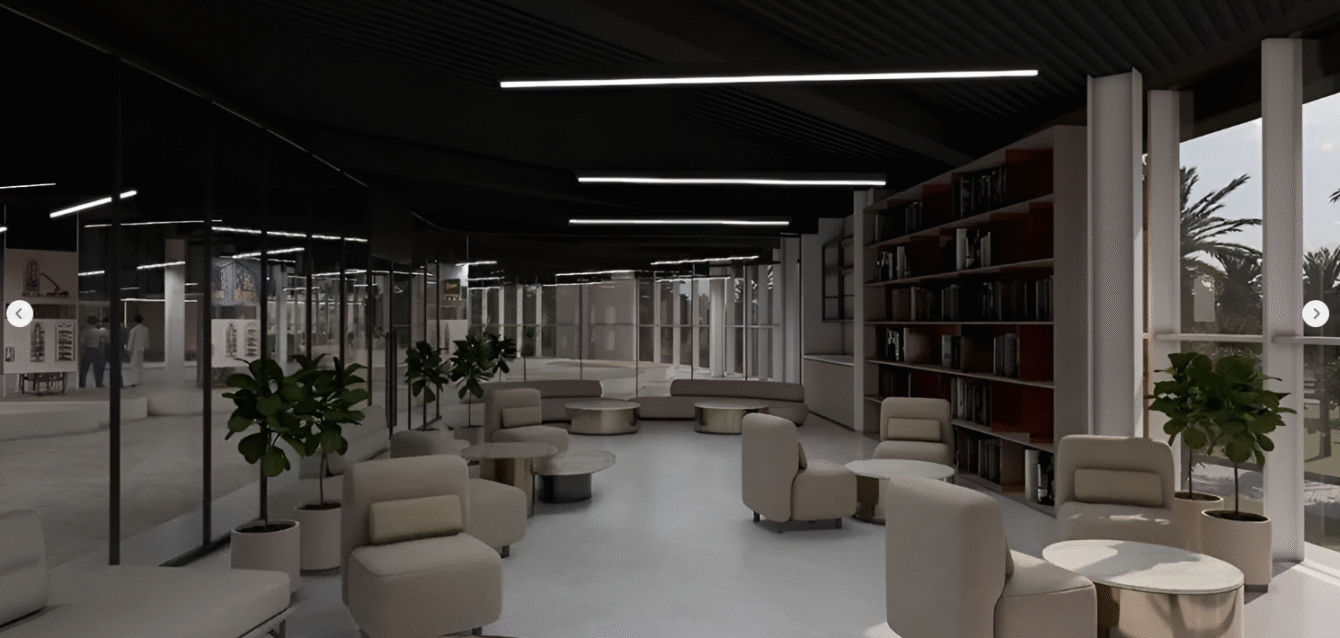
Dubai offers a diverse range of world-class venues tailored for high-level professional gatherings. A standout location is the BE VIP Arena, a premier creative campus that provides specialised spaces for artists, innovators, and visionary corporate events.
Key venues within this hub include:
- Summit Hall: A versatile space for up to 1,000 guests, perfect for large-scale summits.
- Zenith Hall: Designed for high-impact launches featuring a unique rotating stage and advanced LED systems.
- Vision Hall: Optimised for interactive seminars and workshops with a 300-person capacity.
- Donya Hall: An intimate setting for mid-sized groups of approximately 150 attendees.
Beyond dedicated arenas, the city features numerous luxury hotels and resorts that serve as perfect meeting venues due to their integrated hospitality and professional event services.
Would you like me to generate a detailed comparison table of the technical specifications for these Dubai venues?
So, you’re looking for a conference hall in Dubai that doesn’t just feel like a sterile box with some lukewarm coffee in the corner, right? I get it. We’ve all been to those events where the air conditioning is set to “arctic tundra” and the chairs feel like they were designed by someone who’s never actually sat down in their life. But here’s the thing about this city—it doesn’t really do “basic”. Everything is a bit extra. When you start hunting for a conference hall in Dubai, you’re basically walking into a playground of glass, steel, and some of the most ridiculous views you’ll ever see while trying to pretend you’re paying attention to a PowerPoint presentation.
It’s funny, actually. I remember standing in one of those high-rise foyers recently, looking out at the skyline, and thinking, “How is anyone supposed to focus on quarterly projections when the world’s tallest building is literally staring them in the face?” It’s a distraction, sure, but a good one. You want your summit to feel like a big deal. You want people to walk in and go, “Okay, yeah, we’re doing real work today.”
Now, let me think about the vibe you’re after. If it’s a seminar, you need intimacy, but if it’s a summit, you need gravity. There’s a difference, isn’t there? A seminar is like a deep dive into a pool; a summit is standing on the mountain. You need a space that can flex. Some spots near the water have this incredible way of making a high-stress meeting feel… well, not relaxed, exactly, but certainly more breathable. Imagine a break where you can actually see the ocean instead of just a beige wall. It changes the mood. People actually talk to each other. They stop checking their phones for five seconds and have a real conversation. Isn’t that the whole point of gathering in person anyway?
Wait, I should mention the tech side of things because, man, nothing kills a vibe faster than a flickering screen. Most of the top-tier spots here are basically spaceships disguised as rooms. We’re talking about acoustics that make even the softest speaker sound like a prophet and internet speeds that would make a gamer weep with joy. It’s seamless. But honestly, it’s the hospitality that gets me every time. It’s that effortless “we’ve already thought of that” energy. You want a specific type of herbal tea? It’s there. You need an extra adapter because someone forgot theirs? Done.
But here’s a tip: don’t just go for the biggest room because you think it looks impressive. A huge hall with only fifty people in it feels like a ghost town. It’s awkward. Pick a place that fits like a glove. There are these boutique spots—real hidden gems—that have more character in their ceiling lights than some of the massive centres have in their whole building. It’s about the “soul” of the space, you know?
Anyway, as you’re narrowing it down, keep an eye on the logistics. Getting around can be a bit of a dance, so finding a place that’s easy to reach from the main highway or the train line is a lifesaver for your attendees. Nobody wants to start a seminar by being stuck in a taxi for forty minutes. Keep it simple. Keep it sleek. And honestly, just find a conference hall in Dubai that makes you feel like you’ve actually arrived. If you’re going to do a summit, you might as well do it in a place that knows how to put on a show. Finding the right conference hall in Dubai is really just the first step in making sure the ideas shared inside are as big as the city itself.
Let’s start with a simple thought. Cities don’t just host events — they shape them. And somehow, this desert metropolis has mastered the art of turning meetings into moments people actually remember. Not just slides and speeches. Atmosphere. Flow. Energy. That subtle feeling when everything clicks.
When someone first searches for a conference or meeting hall in Dubai, they usually imagine polished interiors and giant screens. Fair enough. But honestly? The magic runs deeper. It’s about how spaces breathe. How people move. How conversations linger long after coffee breaks end.
Now, here’s the thing — seminars and summits aren’t the same beast. One thrives on intimacy; the other demands scale. Yet both depend on something surprisingly human: comfort. If attendees feel cramped, distracted, or lost in the layout, even brilliant content falls flat. Strange but true.
A good conference hall in the Dubai experience balances size with psychology. Wide corridors reduce stress. Natural lighting keeps minds awake. Sound design matters more than anyone admits. Ever sat through echoing microphones? Exactly.
Why Dubai Became a Meeting Magnet
Geography helps. Obviously. Sitting between continents means travellers arrive without exhausting journeys. But logistics alone doesn’t explain the rise. Infrastructure does. Planning culture does. There’s an invisible efficiency here — elevators arrive quickly, registration flows smoothly, and transitions between sessions rarely feel chaotic.
And then there’s timing. Winter sunlight filters through glass façades while indoor climates remain perfectly controlled. Attendees step outside during breaks, feel warmth without discomfort, and suddenly networking feels less forced. Conversations spark naturally.
I remember someone once saying, “People don’t network in rooms; they network in transitions.” That stuck with me.
Spaces That Adapt Instead of Impress
Large seminar venues used to chase grandeur. Bigger chandeliers. Taller ceilings. More marble. These days? Flexibility wins. Movable walls, modular seating, adjustable lighting — spaces reshape themselves depending on audience size and session style.
Morning keynote? Theatre layout. Afternoon workshop? Collaborative clusters. Evening panel? Lounge-style seating. Same hall, different personality. It’s almost theatrical. The venue becomes a quiet performer supporting the event story.
Technology Without Showing Off
Let me pause here. Technology should disappear. Not literally, of course, but psychologically. When screens sync seamlessly and microphones just work, nobody notices — and that’s the point.
Modern seminar venues integrate hybrid capabilities effortlessly. Remote attendees join without awkward delays. Translation systems hum quietly in the background. High-speed connectivity ensures presenters don’t freeze mid-sentence, which, frankly, saves reputations. Funny how the best technology feels invisible.
The Human Flow of a Summit
Think about movement for a second. Hundreds — sometimes thousands — of people arriving simultaneously. Where do they pause? Where do conversations happen? Where do introverts hide for five minutes of silence?
Good conference environments are designed for these moments. Open foyers encourage mingling. aller breakout corners allow private discussions. Cafés positioned near exits naturally extend conversations. You don’t notice these choices consciously. But they shape experience subconsciously.
Size Isn’t Everything (Seriously)
There’s a misconception that bigger always equals better. Not quite. Some of the most effective seminars happen in mid-sized halls where speakers can read facial expressions and adjust tone accordingly.
Large summits need scale, yes. Yet intimacy drives engagement. Organisers increasingly seek venues offering multiple room sizes within one complex, allowing parallel sessions without logistical headaches. Flexibility equals sanity. Event planners will confirm this instantly.
Atmosphere and Emotional Memory
Here’s a slightly philosophical detour. People rarely remember slide content word-for-word. They remember how they felt. Inspired. Overwhelmed. Energised. Maybe even reassured.
Lighting warmth influences mood more than decoration. Acoustic clarity reduces fatigue. Comfortable seating increases attention spans — science backs that up, though common sense probably got there first. And food placement? Surprisingly strategic. Shared meals create spontaneous discussions that scheduled networking sessions sometimes fail to achieve.
Accessibility and Movement
Ease matters. A lot. Clear signage prevents confusion. Smooth navigation avoids late arrivals. Nearby accommodation reduces stress for international delegates.
Events succeed when attendees stop worrying about logistics and start focusing on ideas. Simple principle. Hard execution. Modern venues increasingly integrate accessibility features seamlessly – ramps, spacious corridors, intuitive layouts – ensuring inclusivity without drawing attention to it.
Cultural Neutrality with Local Character
Now this part fascinates me. The most effective conference spaces blend global professionalism with subtle regional identity. Neutral enough for international audiences. Distinct enough to feel memorable.
You might notice traditional textures woven into modern interiors or architectural patterns reflecting heritage without overpowering functionality. It creates a sense of place without distraction. Balance again. Always balance.
Sustainability Enters the Conversation
A decade ago, sustainability felt optional. Today? Essential. Energy-efficient lighting, waste reduction systems, and digital documentation replace excessive printing. Delegates increasingly notice these efforts — sometimes subconsciously, sometimes passionately.
Eco-conscious planning isn’t just ethical; it’s practical. Reduced waste lowers operational friction and aligns events with global expectations.
What Organisers Secretly Value Most
Not luxury. Not decoration. Reliability. Reliable Wi-Fi. Reliable acoustics. Reliable support staff who solve problems before anyone panics. Behind every smooth seminar lies a quiet team managing details nobody sees. And honestly, that’s where true excellence hides — in predictability disguised as effortlessness.
Best Conference Halls in Dubai for Seminars and Summits – The Real Criteria
When evaluating venues, planners usually consider three invisible factors: First, adaptability. Can the space evolve during the event? Second, flow. Do attendees move naturally between sessions? Third, atmosphere. Does the environment encourage attention rather than distraction? If those align, almost everything else follows.
The Psychology of Arrival
First impressions matter disproportionately. Wide entrances reduce crowd anxiety. Natural light boosts alertness. Efficient registration eliminates frustration before the first keynote begins. A smooth start sets emotional momentum for the entire event. It’s like the opening scene of a film — slightly underestimated, massively influential.
Hybrid Events and the New Normal
Let’s be honest. Hybrid events aren’t a trend anymore; they’re baseline expectations. Participants join from different time zones, cultures, and work rhythms.
Conference halls now function as broadcast studios as much as physical venues. Camera placement, lighting angles, and acoustic treatment suddenly matter as much as seating capacity. Events become shared experiences across distances.
Coffee Breaks: The Unsung Heroes
Short thought. Coffee breaks run the world. Ideas exchanged casually often outweigh structured presentations. Hallways become innovation zones. Someone meets a collaborator unexpectedly. Partnerships begin over pastries and small talk.
Good venue design supports these moments without forcing them.
The Emotional Ending of a Summit
The closing session carries weight. Attendees reflect, summarise, and emotionally process the experience. Lighting softens. Energy shifts from excitement to inspiration. A well-designed hall supports this transition subtly, almost like storytelling through architecture. And people leave feeling complete rather than exhausted.
Looking Ahead
Now, hold on — let me think about that future for a moment. Conference environments are evolving toward personalisation. Smart lighting adapts to session types. Digital navigation guides attendees through spaces intuitively. AI-assisted scheduling reduces confusion.
Yet despite all innovation, one truth remains unchanged: people gather to connect. Technology supports connection. Space enables it. Human interaction defines it.
Final Thoughts Before You Book Anything
Choosing a venue isn’t about grandeur or trends. It’s about alignment — between audience expectations, event purpose, and environmental comfort. The right space disappears into the background while ideas take centre stage.
When planners evaluate a conference hall in Dubai, they’re really choosing how conversations will unfold, how energy will circulate, and how memories will form long after presentations end.
And honestly, that’s what makes great seminar spaces unforgettable. Because at the end of the day, the best conference hall in Dubai isn’t the loudest or largest — it’s the one where people leave thinking, ‘That felt effortless,’ even though countless invisible details worked together behind the scenes.