So, you’re thinking about creating something. Audio, video, maybe both. A show, a series, a voice that travels further than your room. And then boom… the question hits: Where do I even record this thing?
A friend of mine once asked me this while stirring a cup of overly sweet coffee. “Should I go for a podcast setup or something more… professional?” He meant a broadcast setup, of course. Bigger. Flashier. Slightly intimidating.
Now, here’s the thing. The answer isn’t as obvious as people make it sound. Especially if you’ve been browsing options like a podcast studio Dubai listing and suddenly tumbled into something that looks like a TV newsroom. That jump can feel… confusing, right?
Let’s walk through it. Slowly. Like a real conversation.
What exactly is a podcast studio?
Alright, imagine a cozy room. Not too big. Not too sterile. There’s a mic in front of you, maybe two or three. Soft lighting. Acoustic panels hugging the walls like they actually care about your voice.
That’s your podcast space. It’s designed for intimacy. Conversation. Storytelling. You’re not shouting to a crowd. You’re talking to one person who’s listening through earbuds on a late-night walk.
Simple gear. Clean sound. Minimal distractions. And honestly, that simplicity is its biggest strength. You don’t need ten cameras. You don’t need a control room buzzing with people pressing buttons. You just need clarity. Good audio. Maybe a camera if you’re recording video podcasts.
When people search for something like a podcast studio Dubai, they’re usually looking for this exact vibe. Controlled, comfortable, and focused. Not overwhelming. Not overcomplicated.
And what about a broadcast studio?
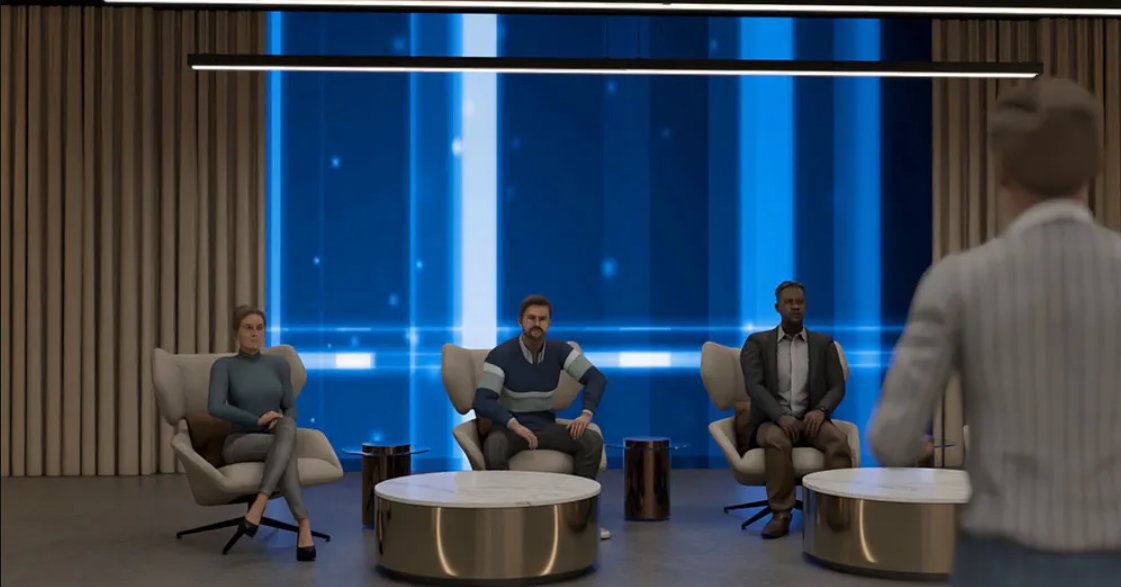
Now switch the scene. Bright lights. Multiple cameras. A director’s voice somewhere behind glass. Screens. Switchers. Movement. Energy. This is broadcast territory.
It’s built for scale. For production. For content that feels… larger than life. Think interviews that look like TV shows. Live streaming setups. News-style discussions. Multi-angle shoots. Everything is structured, timed, and, let’s be honest, a little intense.
You’re not just recording anymore. You’re producing. And that difference matters more than people realize. Because once you step into this world, things change. Your delivery changes. Your expectations change. Even your budget quietly starts stretching.
The real difference? It’s not just equipment
People often think it’s about gear. More cameras equals better, right? Not exactly. The real difference sits in intent. A podcast setup is about connection. You’re building trust through voice, tone, and conversation. It’s raw, sometimes imperfect, and that’s the charm.
A broadcast environment is about presentation. Structure. Visual storytelling. It’s polished, sometimes scripted, and designed to impress. Neither is better. They’re just… different languages. You wouldn’t whisper in a stadium, and you wouldn’t shout in a quiet room. Same idea.
Budget talk, but not boring
Let’s not pretend money isn’t part of this. Because it is. A podcast setup is usually lighter on the wallet. Fewer moving parts. Less crew. Less technical complexity. You can even start small and grow gradually.
Broadcast setups? Well… they like money. A bit too much sometimes. You’re paying for equipment, space, lighting, technical staff, post-production, and occasionally things you didn’t even know existed five minutes ago. Now, I’m not saying one is cheap and the other is expensive in a scary way. But the gap? It’s real. So the question becomes: do you need all that firepower right now? Or are you just trying to tell a story?
Comfort vs pressure
This one’s interesting. In a podcast environment, you can relax. You can pause. Mess up. Laugh. Start again. It feels human. In a broadcast setting, there’s a certain… pressure. Even if it’s not live, it feels live. Lights on. Cameras rolling. People watching. Some thrive in that. Others freeze a little. I’ve seen both.
A friend of mine recorded his first show in a broadcast setup. Looked amazing. Sounded great. But afterward, he said, “I felt like I was performing, not talking.” That stuck with me. Because if your content relies on authenticity, too much structure can actually get in the way.
When a podcast studio makes more sense
Let me paint a picture. You’re starting a series. Maybe interviews. Maybe solo thoughts. Maybe storytelling. You want consistency more than perfection. You care about sound quality, but you don’t need cinematic angles. You want to hit record and just… talk.
That’s your moment. A podcast setup gives you freedom. You can focus on content without worrying about production overload. It’s like learning to cook in a home kitchen before stepping into a restaurant. You build confidence first. And honestly? Many successful creators never leave this stage. They don’t need to.
When a broadcast studio becomes the right call
Now flip it. You’re building something bigger. A brand. A show with visual appeal. Maybe multiple guests. Maybe live streaming. You want that polished, professional look. The kind that makes people stop scrolling.
That’s where broadcast setups shine. They elevate your content. Add depth. Create a visual experience. But remember, with that comes responsibility. Planning. Coordination. A bit of stress here and there. It’s not just about showing up anymore. It’s about executing.
The hidden factor nobody talks about
Podcast setups are quicker. You walk in, set up, record, and you’re done. Editing is simpler too. Broadcast environments? They take time. Setup, checks, rehearsals, adjustments. Sometimes things don’t go as planned, and you wait.
If you’re someone who values speed and flexibility, this matters more than you think. Because consistency often beats perfection in the long run.
Audience expectations… tricky, right?
Here’s a thought. What does your audience actually care about?
Do they want crystal-clear visuals and multiple camera angles?
Or do they just want to hear something meaningful?
Now, don’t get me wrong. Presentation matters. But content still leads. You can have the most beautiful broadcast setup, but if the conversation feels empty, people won’t stay. On the flip side, a simple podcast recording with genuine insight can travel far. So maybe the real question is, what are you trying to give your audience?
A small detour, but worth it
Hold on, let me think about something for a second. There’s this idea that bigger always means better. That more equipment equals more success. But that’s not always true. Sometimes, simplicity wins. Sometimes, starting small helps you grow faster.
And sometimes, jumping straight into a high-end setup can actually slow you down because you’re too focused on getting everything “perfect.” It’s a strange balance.
Flexibility vs structure
Podcast setups are flexible. You can experiment. Try new formats. Change your style mid-way. Broadcast setups are structured. They require planning. Scripts. Timing. Again, not a bad thing. But if you’re still figuring out your voice, flexibility might be your best friend. Once you know what works, then you can scale up.
So… which one should you choose?
Ah, the big question. And honestly? There’s no one-size-fits-all answer. If you’re starting out, testing ideas, or focusing on conversations, a podcast setup is usually the smarter move.
If you’re building a polished show, aiming for visual impact, or working with a larger production plan, then a broadcast setup makes sense. It’s not about which is better. It’s about which fits your current stage. And that changes over time.
The emotional side of it
We don’t talk about this enough. Creating content is personal. It’s not just about equipment. It’s about how you feel while creating. Do you feel comfortable? Confident? Natural? Or do you feel pressured and stiff, like you’re trying too hard? That emotional layer matters. Because it shows in your content. People can sense it.
Blending both worlds
Now here’s an interesting twist. You don’t always have to choose one forever. Some creators start with podcast setups and gradually move into broadcast environments as they grow. Others mix both. Audio-first content with occasional high-production episodes. It’s not a fixed path. Think of it like evolving. Not switching.
Nearing the end, but not quite
If you’re still unsure, that’s okay. Most people are. Take a step back. Think about your goals. Your comfort level. Your audience. And maybe, just maybe, start simpler than you think you need. Because clarity often comes after you begin, not before.
A final thought before you decide
Funny enough, I’ve seen people overthink studio choices the same way they overthink locations like event venues in Dubai. Too many options, too many expectations, and suddenly, decision paralysis kicks in. But at the core, it’s simple. What are you trying to create? Answer that honestly, and the choice becomes clearer.
Wrapping it up, like a real conversation
So here we are. Podcast setup or broadcast setup. Two different paths. Two different energies. Neither is wrong. Neither is perfect. Just tools for different stories.
And maybe that’s the point. You’re not choosing a studio. You’re choosing how you want your story to be told. Even when people compare setups the same way they compare event venues in Dubai, the truth is, it’s not about the space. It’s about what happens inside it. So go with what feels right. Start there. Everything else? It figures itself out.